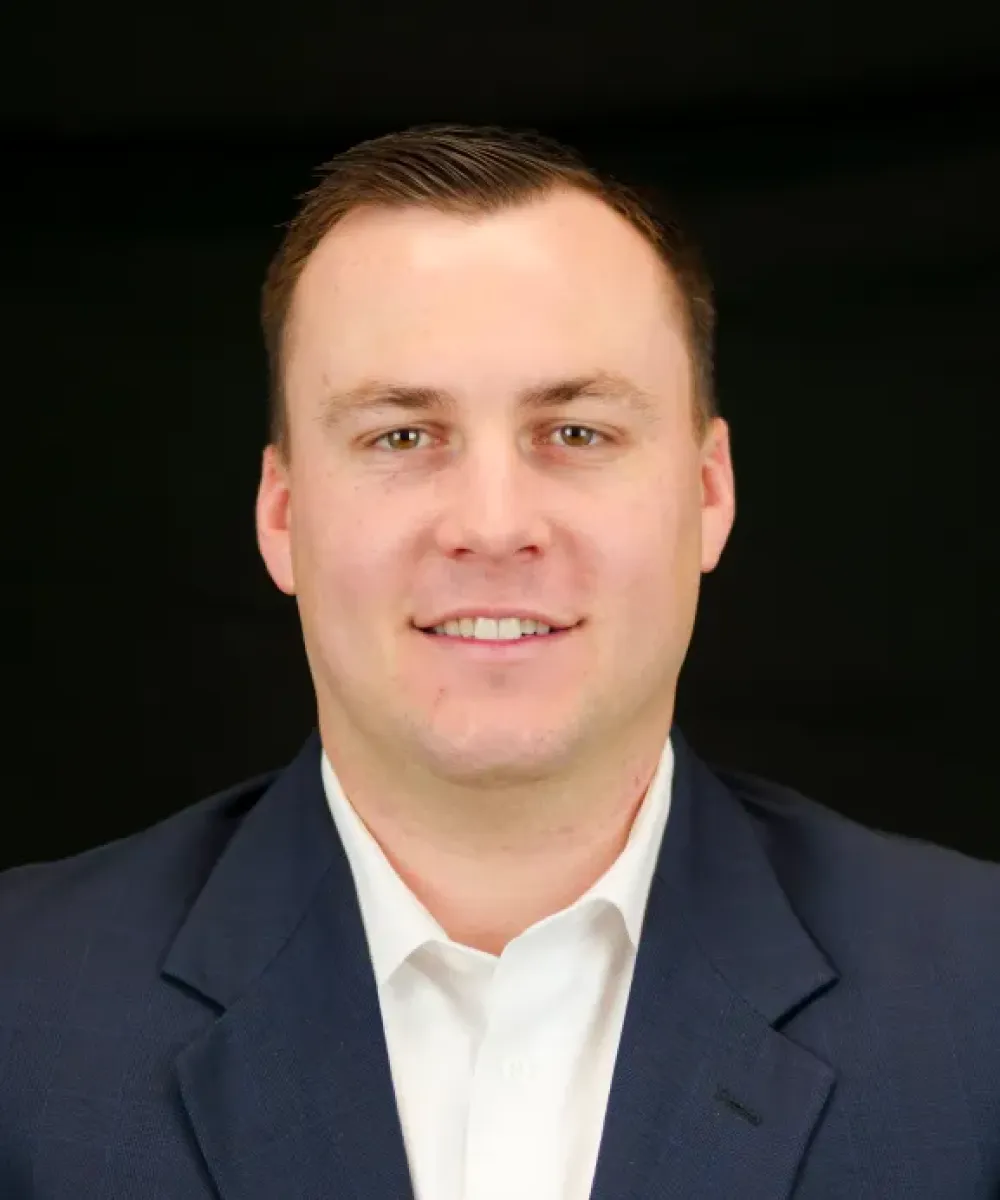
Sage W. DeMull, PPC® · Lansing, MI
Fee-based fiduciary financial planner. Founded DeMull Financial in 2023. Based in Lansing, Michigan.
About Sage →Profit sharing gets skipped, safe harbor deadlines sneak up, and putting every dollar in the plan leaves you with fewer options. Here is how I think about it.
There are a few conversations I think make sense to have right now. The biggest one for me is the 401(k), and specifically profit sharing. I don’t think it’s used nearly enough, and I think a big reason is that nobody ever really explained it.
When I bring up profit sharing, a lot of owners hear "giving money away to my employees." I get it. That’s what the name sounds like.
But that’s not really how it works. Profit sharing is a benefit you offer through the plan, and it usually comes with a vesting schedule. If someone leaves after a year or two, they may not walk out with all of it. And it isn’t split equally in most cases. With the right allocation design, the owners and highly compensated people often receive the bigger share of the contribution, while the plan still passes the rules.
Now compare that to what a lot of owners do in December. Business had a good year, the CPA says you’re going to owe, so you go buy a truck or a piece of equipment. Sometimes that’s the right call. But if the business doesn’t actually need it, a profit sharing contribution might do a lot more for you and your people.
Here’s an example from an owner I worked with recently. The business has a lot of employees, and not all of them participate. It’s a non-safe harbor plan, so it has to pass nondiscrimination and top-heavy testing every year.
For the last few years, the owner has gotten corrective distributions in March. They put money in, the plan failed testing, and some of it came back out. In 2026 the IRS limit on employee deferrals is $24,500. Because of how their testing shakes out, they’re effectively capped at around $9,500.
So the work is about driving that number back up. Getting more employees participating. Looking at safe harbor. Adding a profit sharing piece. There are a lot of levers, and in my experience a lot of plans are only pulling one or two of them.
Here’s the hard part about bringing this up in late October. For a lot of setups, 2026 has already passed them by.
A brand new safe harbor 401(k) generally has to be set up by October 1, because the first plan year has to be at least three months long and employees need their safe harbor notices in time. Most business owners with employees are going to want safe harbor, so that’s a big one. A new SIMPLE IRA generally has to be set up by October 1 too. Both of those dates have come and gone for 2026.
I just had this happen. We had to push a new 401(k) setup to January 1 because the paperwork didn’t come together until after October 1, and we couldn’t get safe harbor notices out in time. Moving from a SIMPLE to a safe harbor 401(k) is very doable, but the employer missed out on a significant chunk they could have put in through profit sharing this year.
That doesn’t mean there’s nothing left to do for 2026. Under the SECURE Act, a business can generally adopt a new profit sharing plan after year end, up to its tax filing deadline including extensions, and still have it count for the prior year. If you already have a plan, profit sharing contributions can often be made up to that deadline too. And if you’re a solo practitioner with no employees, a solo 401(k) might still be workable depending on how and when it’s set up.
It’s also the right time to plan 2027. If you want a SIMPLE or a safe harbor 401(k) starting January 1, the paperwork and notices need to happen this fall, not next fall. All of this is worth a conversation with your CPA and your plan provider before you assume you’re out of options.
I’ll be honest. In my view, one of the biggest things people get wrong is ending up with a check-the-box plan. The plan gets set up off a template, nobody looks at it again, and it may not be doing what’s best for the employees or the employer.
Plan sponsors have a ton of flexibility with a 401(k). Eligibility, matching, vesting, safe harbor, profit sharing formulas, Roth. There are just so many things you can do, and it stinks to see them get missed when the plan wasn’t designed around the actual business.
On the other end, I see cash balance plans set up for owners who, in my view, may be too early in their careers for one to make sense. A cash balance plan can be a great fit for the right owner. But it’s a big, ongoing commitment, and I think it’s worth asking whether it fits your age, cash flow, and goals before adding one.
I heard a client say it the other day. "You’re just told to max out your 401(k)." And I wanted to ask, told by who?
A lot of advisors walk in and say, hey, we can get $72,000 into your 401(k) this year, and here’s how. For 2026, $72,000 is the IRS limit on total annual additions per person, employee plus employer, not counting catch-up contributions. That’s fine. But it can’t be your only source of savings.
When we try to cram everything into qualified plans, we can get really inflexible. That money is mostly locked up until retirement, with rules about how and when you can get to it.
Here’s a hypothetical. Say you’re an owner who could put $72,000 into the plan. Instead, you stop at $50,000. It may be a little less tax efficient, and depending on how the plan is designed, it might be more cost effective for the business. Then you take the other $22,000 a year and put it in a regular taxable brokerage account.
Do that for five years and you’ve put in $110,000. If that account earned a hypothetical 7% a year and you left it alone, ten years from when you started it would be worth roughly $177,000. (That assumes contributions at the end of each year for years one through five, then growth through year ten, with no fees or taxes.) That’s a hypothetical illustration, not a projection or a guarantee. Real returns go up and down, and they could be lower, or negative. But the point isn’t the exact number. The point is you’d have money you can get to if you need it, whether that’s buying into a building, buying out a partner, or getting through a slow year. That flexibility is the whole idea.
That’s optionality, and in my opinion it’s one of the most important things a business owner can build, because things can change fast.
Go back five years and ask any business owner if they thought they’d be where they are today. My guess is a lot of them are in a better spot than they expected.
And I’d also guess a lot of them missed some opportunities along the way because they didn’t have options. The money was all tied up in the business or tied up in a plan.
Business owners are so focused on the business that the personal side gets skipped. Very few are actually maxing out their retirement plans, and even fewer have thought about what comes after the plan. A personal financial review is a good place to start.
If you want me to look at your plan, your testing results, or just how your savings are split up, I’m happy to. Even if some of this year’s deadlines have passed, there may still be options for 2026, and now’s a good time to set up 2027.
Send me your plan document and last year’s testing results, or just how your savings are split up today. I’ll tell you what I see, whether or not you end up working with me.
Book a free 30-min call →Retirement plan design for small businesses in Lansing →
Sage W. DeMull, PPC® is a fee-based fiduciary advisor at DeMull Financial, 2624 Lake Lansing Rd Ste 200, Lansing, MI 48912. This is general information, not tax or legal advice. Talk with your own tax professional about your situation. Opinions are my own. The owner example is anonymized and is not indicative of the results any other client may experience. Figures reflect 2026 IRS limits and change annually. The hypothetical example is for illustration only, assumes a constant rate of return, does not reflect any specific investment, fees, or taxes, and is not a guarantee of future results. Investment advice offered through Convergence Financial, LLC, a registered investment advisor.
Related service: Retirement Plan Design →